Alpaca Wool
Alpaca wool is one of the highest-quality natural fibres in the world…
Alpaca wool is one of the special natural fibres that is valued worldwide for its quality and versatility. The fibre combines natural origin with distinctive material properties that make it suitable for many textile applications.
What is alpaca wool?
As the natural fibre of the alpaca, alpaca wool has been valued for centuries for high-quality and durable textiles. The special properties of alpaca wool arise from the fine structure of the fibres and make it an ideal material for Bedding and other high-quality textiles.
The special structure of the alpaca fibre provides natural temperature regulation. The fibres can store heat and at the same time absorb moisture and release it back into the environment. This creates a balanced and pleasant sleeping climate.
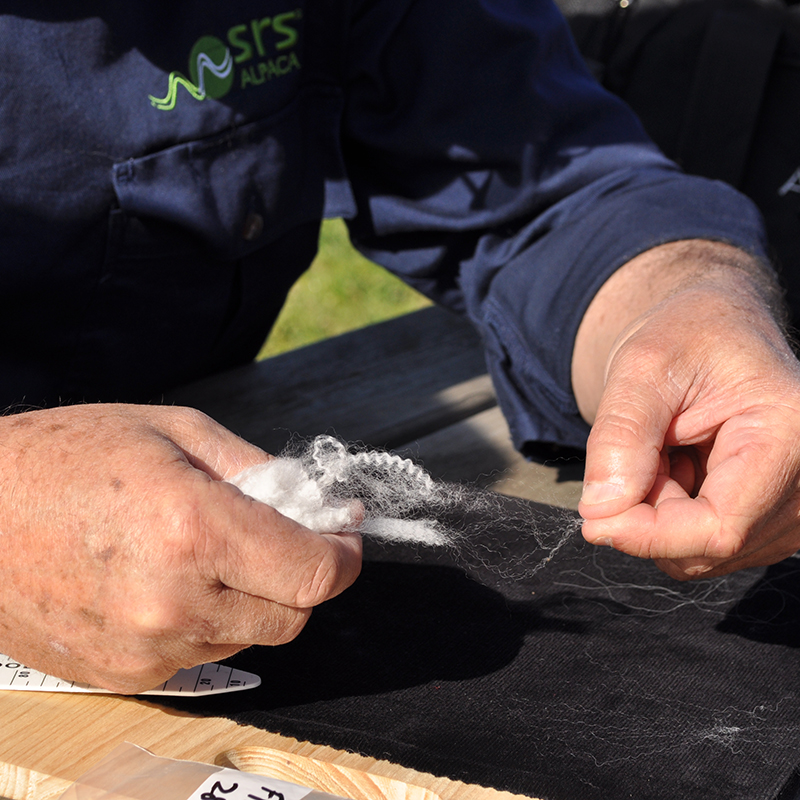
Another advantage of alpaca fibre lies in its natural lightness and breathability. There are small air chambers within the fibre that store heat while at the same time allowing good air circulation. This combination of heat retention and breathability makes alpaca wool particularly suitable for duvets that can be used all year round.
In addition to these key properties, alpaca wool has further material characteristics that contribute to its special comfort, ease of care and durability.
As a pure natural fibre, alpaca wool retains its original properties and contributes to a natural and comfortable sleeping climate. Its special material properties combine warmth, lightness and breathability and make it a high-quality basis for natural bedding.
Alpaca wool compared to other natural fibres
Compared to many other natural fibres, alpaca wool combines several important properties in one fibre. It is particularly lightweight, can at the same time store a lot of heat and still remains breathable. This combination of the properties of alpaca wool creates a pleasant and balanced climate and makes the natural fibre particularly suitable for high-quality textiles and bedding.
A more detailed comparison of different filling materials can also be found in our article on alpaca duvets compared to other duvet fillings.

The most important properties of alpaca wool
The special structure of the alpaca fibre gives it properties that make it particularly valuable for high-quality bedding and other natural textiles.
Temperature-regulating
The fibres store heat and at the same time help to maintain a balanced sleeping climate.
Very lightweight
Alpaca wool provides pleasant warmth with low weight and thus ensures high comfort.
Breathable
The fine fibre structure supports air circulation and prevents heat from building up.
Moisture-regulating
Alpaca fibres can absorb moisture and release it back into the environment.
Soft & skin-friendly
The smooth fibre structure provides a pleasant feel and makes alpaca wool particularly comfortable.
Durable
As a high-quality natural fibre, alpaca wool is robust, easy to care for and suitable for long-term use.
Further properties in detail
Alpaca wool has many additional material properties that make it a particularly high-quality natural fibre for bedding and other textiles.
Comfort & skin-friendliness
Lanolin oil free
Alpaca is a dry wool and, unlike sheep’s wool, does not contain lanolin oil. As a result, the end product does not yellow.
Soft
The structure of the alpaca fibre is smooth and, unlike merino wool, has little to no fibre scales. This makes it particularly soft and flexible. Products made from alpaca wool conform comfortably and provide a pleasant feel.
Hypoallergenic
Alpaca wool is well suited for many allergy sufferers and is also resistant to house dust mites. As the fibre has hardly any fibre scales and contains no lanolin, it is often also well tolerated by sensitive skin.
Warmth, air & moisture
Lightweight
Alpaca is up to five times warmer than sheep’s wool. This means that significantly less material is required to produce comparable warmth.
Warmer than conventional natural fibres
Alpaca fibres are completely hollow. This allows them to trap more warm air and insulate better than many other wool fibres.
Moisture -wicking
Alpaca can transport moisture away from the body particularly quickly and thus supports a dry and pleasant sleeping climate.
Breathable
The alpaca fibre is equipped with tiny air pockets. These fine spaces promote air circulation and improve breathability.
Hygiene, care & durability
Antibacterial and antimicrobial properties
The very thin, wax-like coating on alpaca fibres contains fatty acids that inhibit the growth of mould, mildew and bacteria. As a result, products made from alpaca wool do not need to be washed regularly and remain fresh for a long time.
Easy-care
Alpaca fibres are water- and stain-repellent. This makes products made from alpaca wool particularly suitable for everyday use and easy to care for.
Safety & durability
Fire-retardant
Alpaca fibre is difficult to ignite. It ignites slowly, has self-extinguishing properties and generates little heat. Unlike synthetic fibres, it does not melt but chars and does not release toxic gases.
Resistant to ageing
Alpaca fibres are longer, stronger and more elastic than many comparable wool fibres. This makes them more resistant to pilling and general wear.
Sustainability & Responsible Resource Use
Ecologically sustainable
The alpaca is shorn for care without the animal suffering. The fibre is a renewable raw material. Untreated alpaca wool is biodegradable and can continue to be used as a natural resource.
Meaningful reuse at Alpaka Appenzell
At Alpaka Appenzell, smaller wool residues or fibres contaminated with dirt are also collected and reused as a valuable ingredient in our Alparama® Terra Preta nutrient humus.
The origin of the special alpaca wool
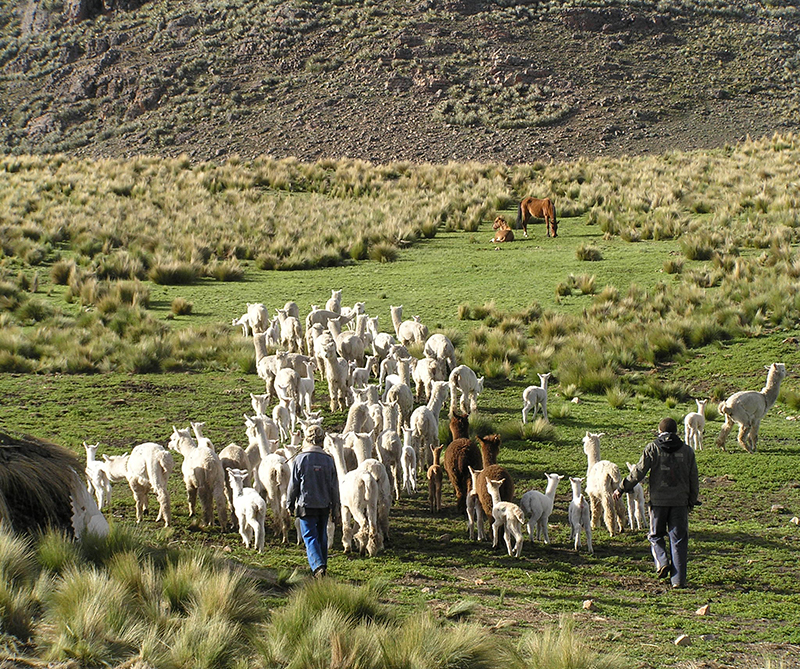
Alpaca wool is a highly developed product thanks to thousands of years of breeding in the Andes.
The climate of the Andes is very extreme; during the day the animals are exposed to great heat, while at night the temperatures become bitterly cold. To compensate for these large temperature fluctuations, alpacas have their unique wool, which allows them to regulate heat and cold perfectly.
The trek to the waterholes can be several kilometers for the South American alpacas, and thus they have acquired a very light wool, which is dirt-resistant and breathable. In addition, their wool has the extraordinary property of transporting moisture away from their bodies.
Sustainability of alpaca wool
In addition to its special material properties, alpaca wool is also considered a sustainable natural fibre. The fibre is renewable, biodegradable and characterised by a long lifespan. Products made from alpaca wool are often used for many years, which conserves resources and contributes to a more conscious use of textiles.
You can find out more about how we handle the wool from our own animals and our philosophy on sustainable processing on our page about the Sustainability of our alpaca duvets.
Short answers about alpaca wool
The following answers summarise important properties of alpaca wool in a short and understandable way.
Is alpaca wool suitable for allergy sufferers?
Unlike sheep’s wool, alpaca wool does not contain lanolin oil. As a result, it is better tolerated by many people with sensitive skin and is often also suitable for allergy sufferers.
Does alpaca wool itch?
High-quality alpaca fibres have a smooth surface and very few fibre scales. As a result, the fibre feels particularly soft and is often perceived as more pleasant than many other wool fibres.
Why is alpaca wool so lightweight?
The alpaca fibre contains small air chambers within its structure. These store heat and at the same time ensure good air circulation, resulting in high insulation with low weight.
Is alpaca wool warmer than sheep’s wool?
Due to their structure, alpaca fibres can trap a particularly large amount of warm air. As a result, alpaca wool is often perceived as very warm and at the same time pleasantly lightweight.
How easy to care for is alpaca wool?
Due to its natural structure, alpaca wool absorbs very little odour. Regular airing is often sufficient to keep products made from alpaca wool fresh.