Origin, Craftsmanship & Responsibility
Baby Alpaca Fur Production
Many of our alpaca fur products are made in Peru — the native home of alpacas and a region where alpacas have been raised, bred, and traditionally processed for thousands of years. To this day, the traditional craftsmanship of alpaca hides and alpaca fibers remains deeply connected to the Andean regions of Peru.
For these alpaca fur products, we have been working for over 20 years with a trusted Peruvian partner who coordinates the selection, production, and collaboration with experienced family-run workshops on site.
The designs for our baby alpaca fur products are developed in-house at Alpaka Appenzell. The craftsmanship is then carried out in Peru in collaboration with specialized artisan workshops experienced in working with alpaca fur and traditional techniques.
Baby Alpaca Fur Production with Traditional Craftsmanship
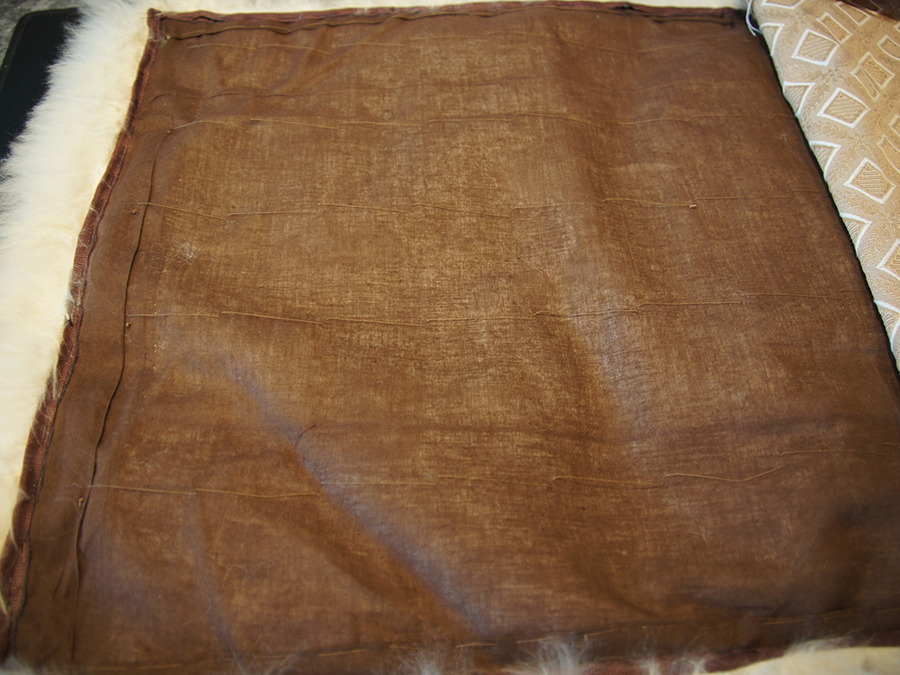
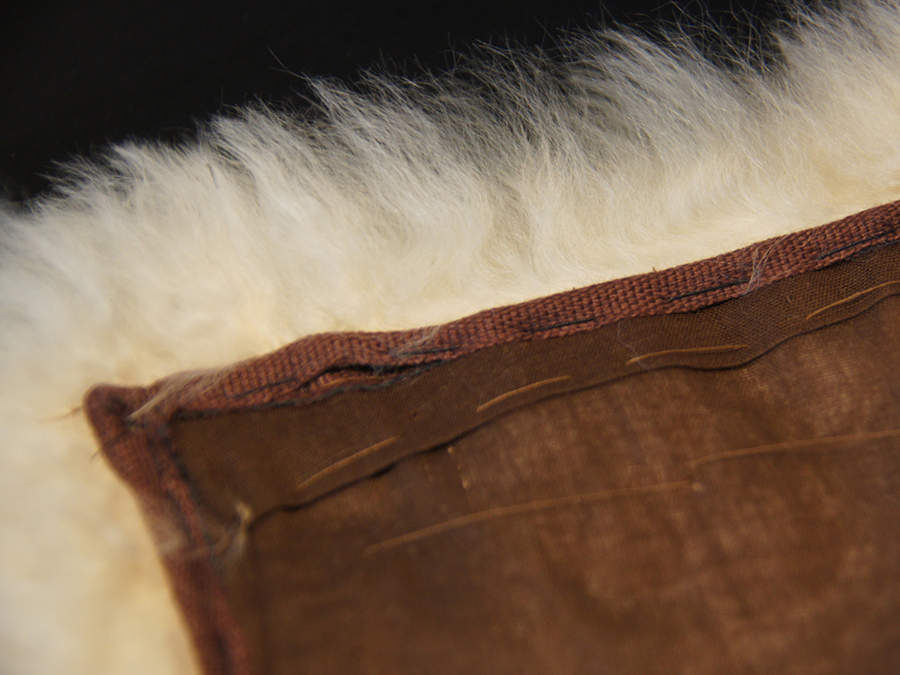
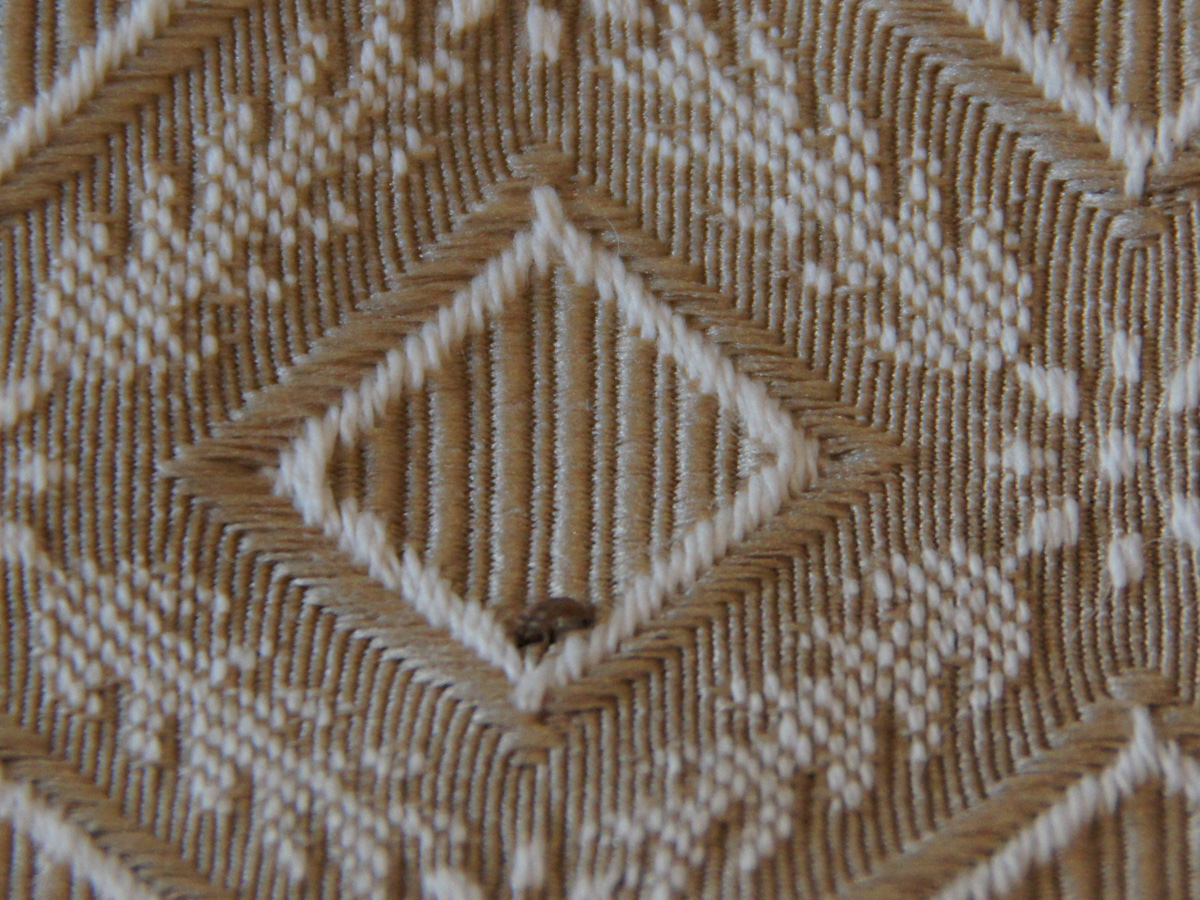
For larger baby alpaca fur products such as seat pads, comfort mats, or floor rugs, not only the visible fur side matters, but also the craftsmanship inside and on the reverse side.
Many of our products feature a high-quality textile backing instead of an exposed leather surface. This provides added stability, a softer feel, greater everyday practicality, and makes cleaning easier for daily use.
Inside, carefully assembled fur pieces are additionally stitched together with a stabilizing cotton layer. This craftsmanship helps maintain the product’s shape and contributes to long-lasting durability, even with regular use.
Many of our products are created through carefully crafted alpaca fur craftsmanship in collaboration with experienced family-run workshops and traditional artisan businesses in Peru.
Collaboration with Family-Run Workshops in Peru
Many production steps are carried out in collaboration with experienced workshops specializing in the traditional processing of alpaca fur. In the Andean regions, working with alpaca materials has been part of everyday life for generations.
Through many years of collaboration with the same partners, direct relationships, transparent processes, and a deeper understanding of quality, materials, and craftsmanship have been established.
Instead of anonymous mass production, we focus on personal relationships, experience, and carefully crafted handmade workmanship.
Tradition, Origin & Responsibility
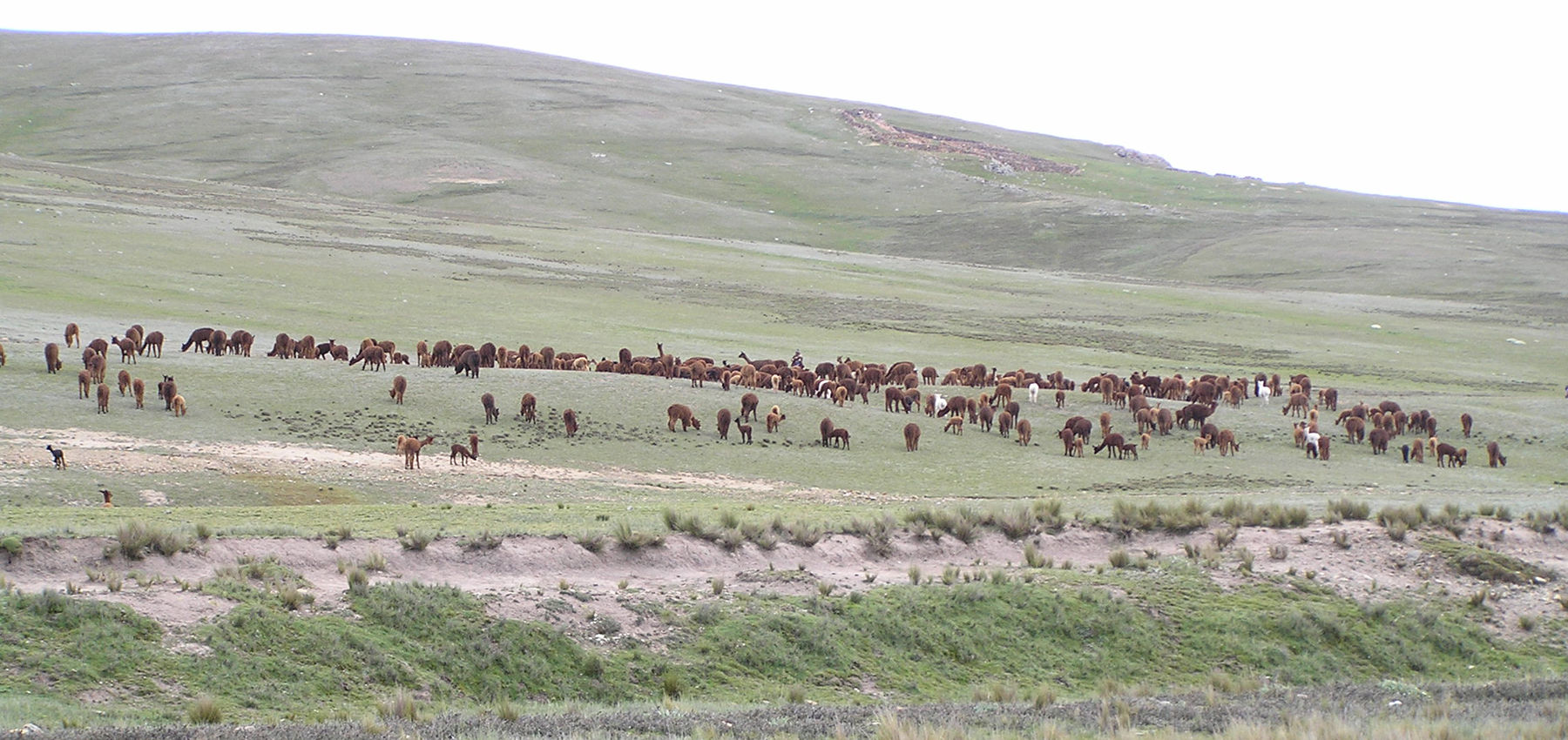
In the highlands of the Peruvian Andes, alpacas have been bred and raised for over 6,000 years. To this day, alpaca farming remains closely connected to the daily lives of many families and continues to shape numerous regions of the Andean highlands.
Many of the artisans working with our alpaca fur products come from the Andean regions of Peru and belong to families with a long tradition of crafting high-quality alpaca fur. Their knowledge and experience in handling the material are reflected in the careful craftsmanship of many of our products.
For us, it is important to trace the origin of our products as transparently as possible. That is why we have been working with the same family-run workshops and trusted partners for many years. This creates long-term relationships, direct processes, and reliable quality control without anonymous intermediaries.
No Alpacas Are Killed Solely for Their Fur
For our products, we use only high-quality alpaca hides.
In Peru, alpacas are primarily raised for their valuable wool. It takes many years — and often generations of careful breeding — to develop the fine fibers that are appreciated worldwide for premium alpaca wool products. For farmers, living alpacas therefore represent far greater long-term value than a single hide.
Further general information about the properties and processing of alpaca fibers can also be found in the English reference article on Alpaca Fiber .
Over 3.8 million alpacas live in Peru. Due to the harsh climate of the Andes, some animals also die naturally each year. Many of the artisans working with our alpaca fur products come directly from these Andean regions and are able to source hides from high-quality animals directly from local families and farmers.
This allows existing materials to be meaningfully reused instead of going to waste. At the same time, local families receive at least some additional income after the loss of an animal.
Further information
Learn More About Baby Alpaca Fur
This page explains the origin, production, and craftsmanship behind our baby alpaca fur products. On our main page, you will also find a comprehensive overview of characteristics, natural colors, Huacaya and Suri alpacas, as well as our different product collections.
This way, you first gain a general overview and can then explore more specific information about production, care, and individual products.
Questions About Baby Alpaca Fur Production & Care
Does Baby Alpaca Fur Smell?
Baby alpaca fur normally does not have a strong or unpleasant odor like some conventionally stored fur products. After tanning, our hides are naturally dried and aired in the fresh mountain air of the high Andes instead of being stored for long periods in closed storage facilities. This helps preserve the natural character of the fur.
Do Baby Alpaca Fur Products Shed Hair?
Like many natural fur products, baby alpaca fur may initially release a few loose fibers. Gentle vacuuming often helps remove loose hairs remaining from the production process. After that, the fur generally remains very stable during normal everyday use.
Do Baby Alpaca Fur Products Yellow Over Time?
Compared to many traditional sheepskins, alpaca fur contains only a very low natural lanolin content. As a result, the fur remains color-stable even over many years and normally does not develop the typical yellowing or sticky surface known from some sheepskin products.
Many customers therefore appreciate the pleasantly dry, natural, and long-lasting feel of baby alpaca fur products.
How Do You Clean Baby Alpaca Fur?
In everyday use, regular shaking and occasional airing are often already sufficient. Further information about cleaning and care can be found in our care instructions. Pflegehinweisen.
Are Alpaca Fur Teddy Bears Suitable for Children?
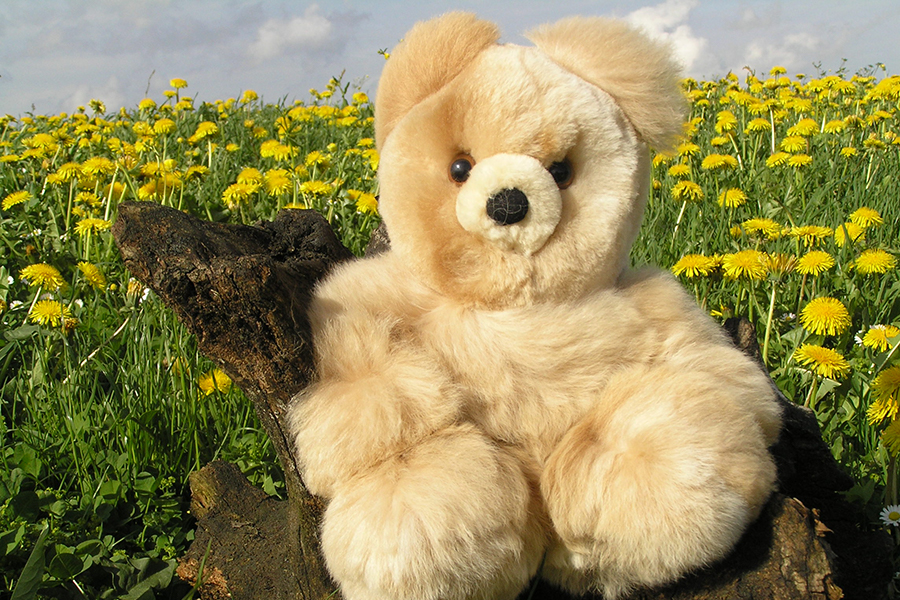
Our teddy bears are handcrafted and filled with natural alpaca wool. Like many handmade fur and fabric products, they should be handled with care and should not be pulled, thrown, or subjected to excessive force.
Long-haired Suri products feature especially long and silky fibers. For very young children, we therefore recommend use only under adult supervision.
What Is the Difference Between Floor Rugs and Seat Covers?
Seat covers are specifically designed for regular use on seating surfaces and feature a particularly durable construction. Floor rugs, on the other hand, are more focused on a harmonious fur appearance and use as a soft home accessory.
Are Alpacas Killed Specifically for Their Fur?
In Peru, alpacas are primarily bred for their high-quality wool. Particularly fine animals provide valuable fibers for the production of premium alpaca wool over many years and are therefore far more valuable to farmers alive than for a single hide.
For our baby alpaca fur products, we use exclusively high-quality hides. A large portion of these comes from alpacas that died naturally in the Andean regions of Peru.