
Alpaca Meat
Meat of the Andes
Gourmet Alpaca Meat
Enjoy the unique taste
Alpaca meat is considered one of the healthiest and most flavorful types of meat and is widely appreciated as a delicacy. It is highly versatile in the kitchen and stands out for its tender, juicy, and aromatic qualities, making it ideal for a wide variety of dishes.

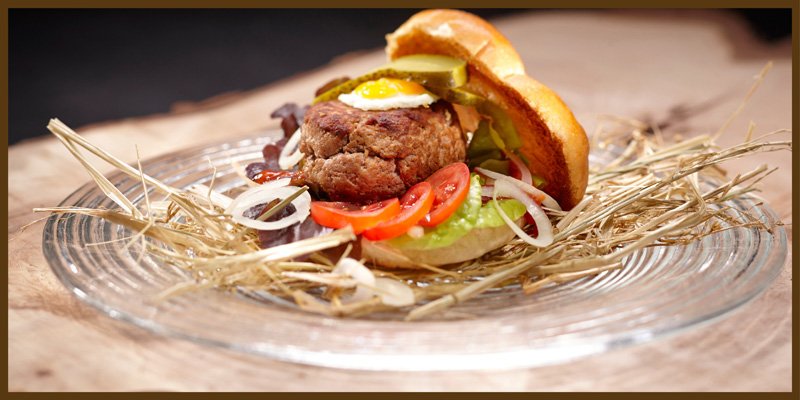
Its texture is comparable to game meat, while its flavor is often likened to ostrich meat—an understandable comparison due to the low fat conten and the fine, protein-rich structure of both. Alpaca meat is especially known for its mild and delicate taste.
Thanks to these unique characteristics, alpaca meat is regarded as a premium alternative to traditional meats, combining exceptional flavor, high quality, and a health-conscious choice.
Often referred to as the "Meat of the Andes,” alpaca meat has a long tradition in South America. Alpacas have been domesticated for over 4,000 years. Archaeological evidence shows that their meat was already a valued and important food source in early Andean cultures, including during the time of the Incas.
Why Alpaca Meat?
Alpaca meat stands out thanks to its unique qualities, clearly setting it apart from traditional types of meat.
Delicately mild in flavor
Alpaca meat is often compared to game or ostrich, but it is noticeably milder and less intense. This makes it an excellent choice even for those who prefer a more subtle meat flavor.
Tender & naturally lean
Alpaca meat is naturally very lean and finely textured. The result is a tender, premium consistency with a clean, non-greasy mouthfeel.
Versatile in the kitchen
Alpaca meat is highly versatile—perfect for fresh preparation in the kitchen as well as for traditional specialties such as Salsiz, Bauernschüblig, or Mostbröckli.
Our specialties are crafted from 100% alpaca meat,t, without any added pork fat - - setting them apart from many traditional Swiss products, and a difference you can clearly taste.
Responsibly produced
In Switzerland, alpacas are considered livestock, and we raise them with great care and responsibility. Not every animal is suitable for breeding or sale—these decisions are made individually, always with a focus on responsibility and animal welfare.
Processing takes place locally, with short transport routes and in accordance with our own high standards—resulting in a product built on responsibility, respect, and transparency.
Why is Alpaca Meat so Lean?
Alpaca meat is naturally very lean and finely textured. These characteristics are not accidental—they are the result of the animals’ natural adaptation to demanding living conditions.
Alpacas belong to the camelid family and possess unique physiological traits that enable highly efficient use of oxygen and nutrients. These include, among other things, elliptically shaped red blood cells and a high oxygen affinity of the blood—features that are especially advantageous in environments with low oxygen availability.
At the same time, alpacas have a specialized digestive system with a multi-chambered stomach, allowing them to extract a high level of nutrients even from low-quality, fiber-rich plants.
This combination of efficient metabolism and adapted muscle physiology results in:
- very low levels of intramuscular fat
- particularly fine muscle fibers
- a naturally high protein content
The result is lean, tender, and high-quality alpaca meatthat clearly differs from conventional types of meat. Studies on alpaca meat composition show a very low fat content (around 2%) and a high protein content.
Our Alpaca Meat Specialties
In collaboration with we produce premium alpaca specialties and selected fresh cuts. For our refined products, we use exclusively pure alpaca meat—without added pork fat—a difference you can truly taste.
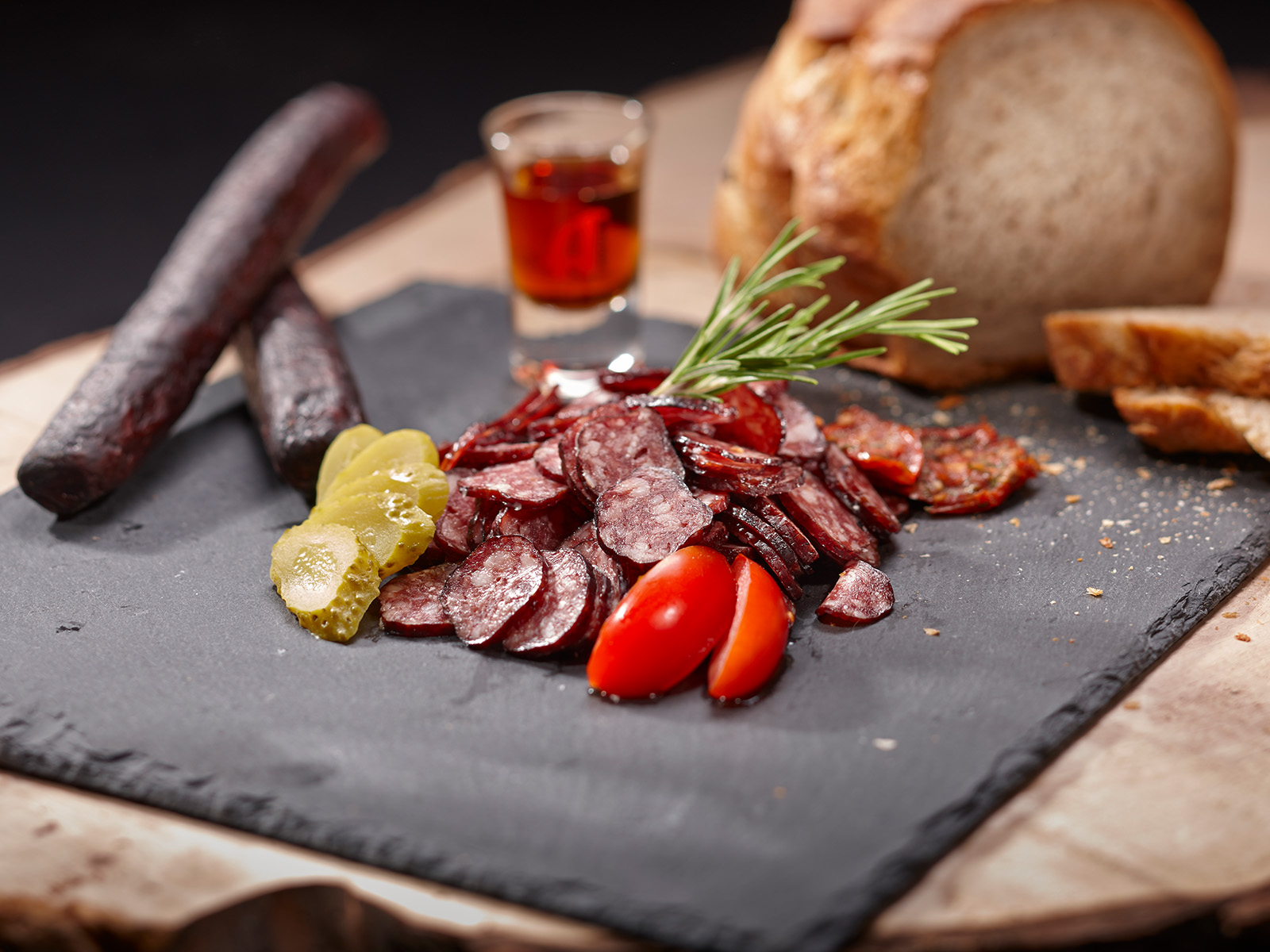
Buy Alpaca Bauernschueblig
Smoked cured sausage made from pure alpaca meat, with a rich umami profile and firm texture.
- smoked and air-dried
- shelf-stable without refrigeration
- ideal as an aperitif or snack
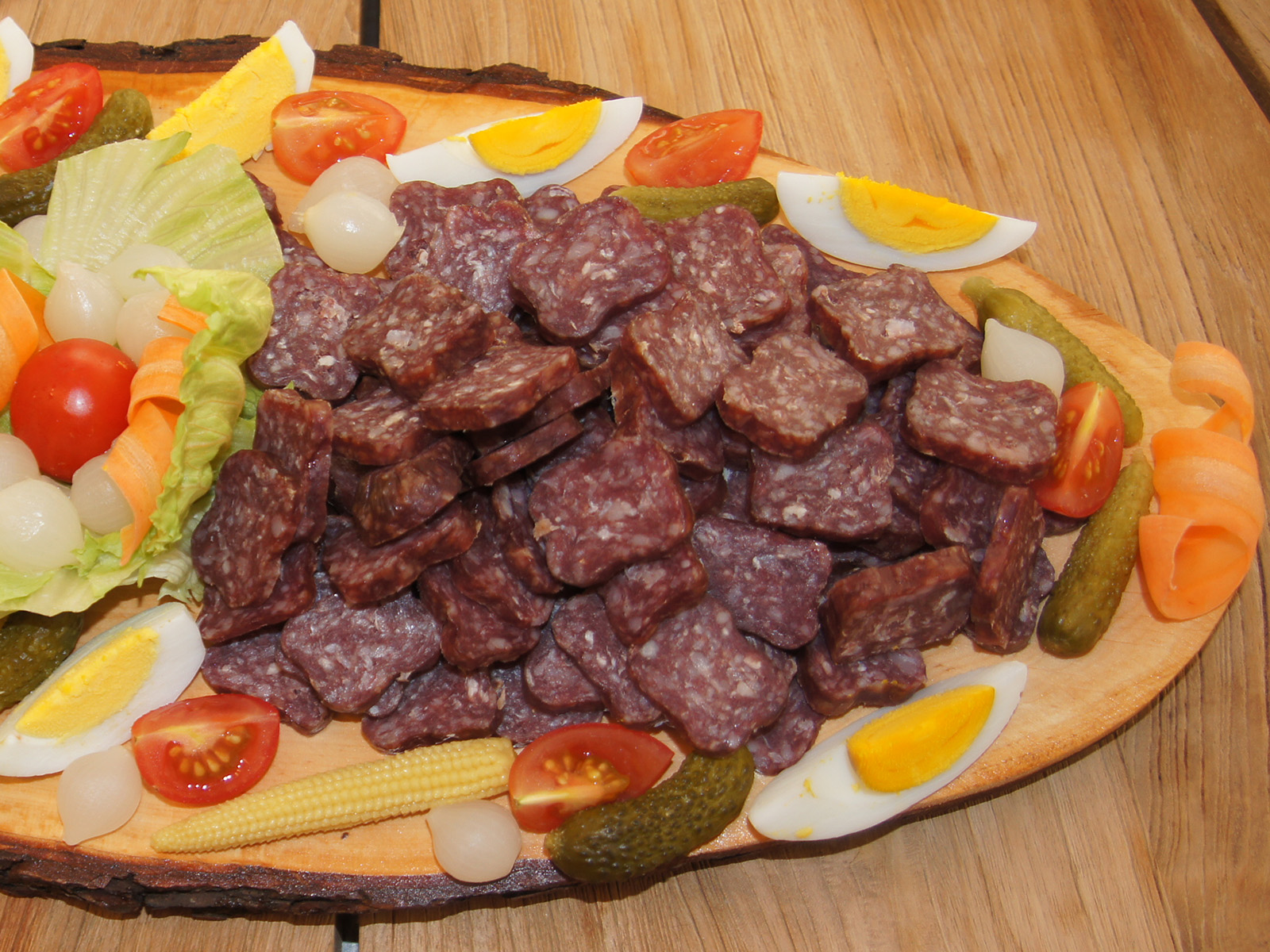
Buy Alpaca Salsiz
Air-dried specialty made from pure alpaca meat—without added pork fat.
- full alpaca flavor
- convenient for on the go
- savory and long-lasting
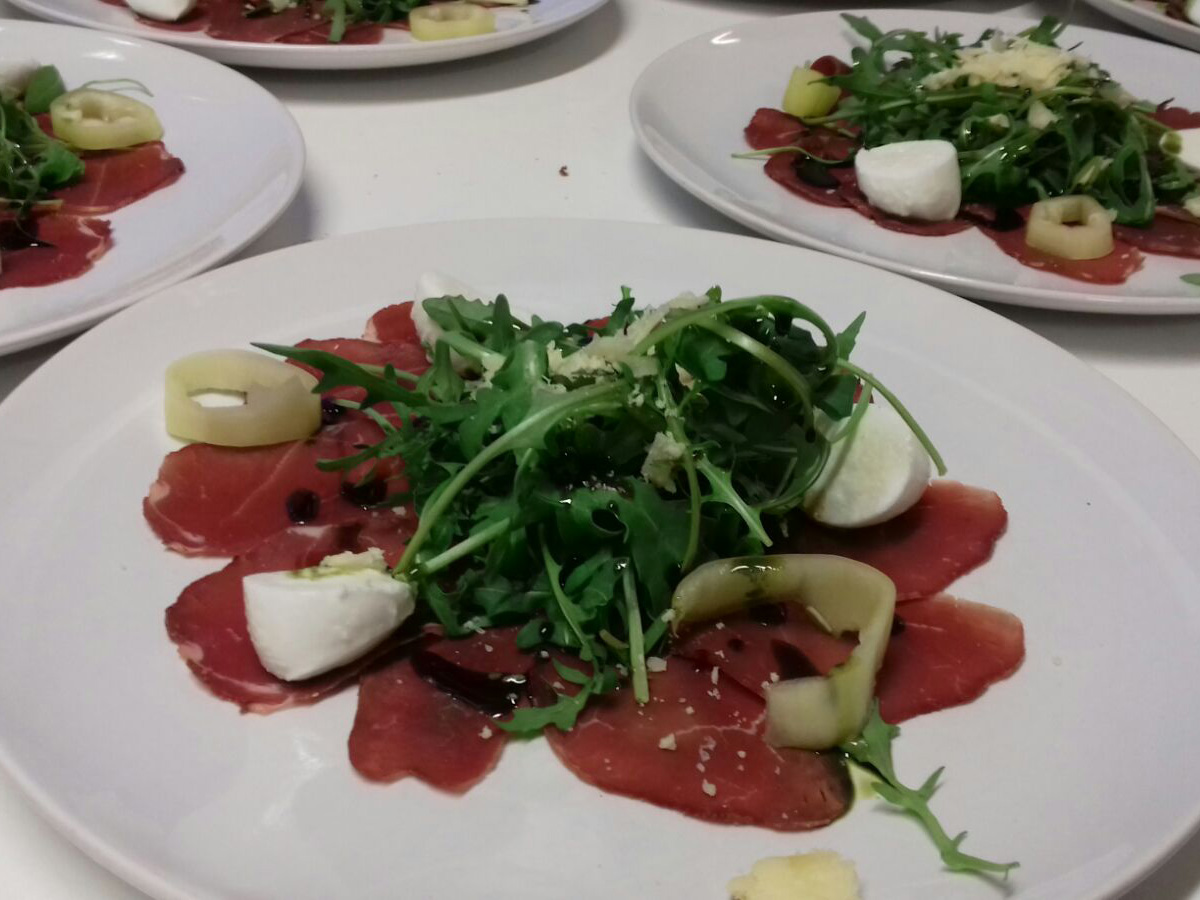
Buy Alpaca Mostbroebkli
Refined Swiss specialty made from alpaca meat, with a tender texture and delicate flavor.
- traditionally cured
- exceptionally tender
- ideal thinly sliced for aperitifs
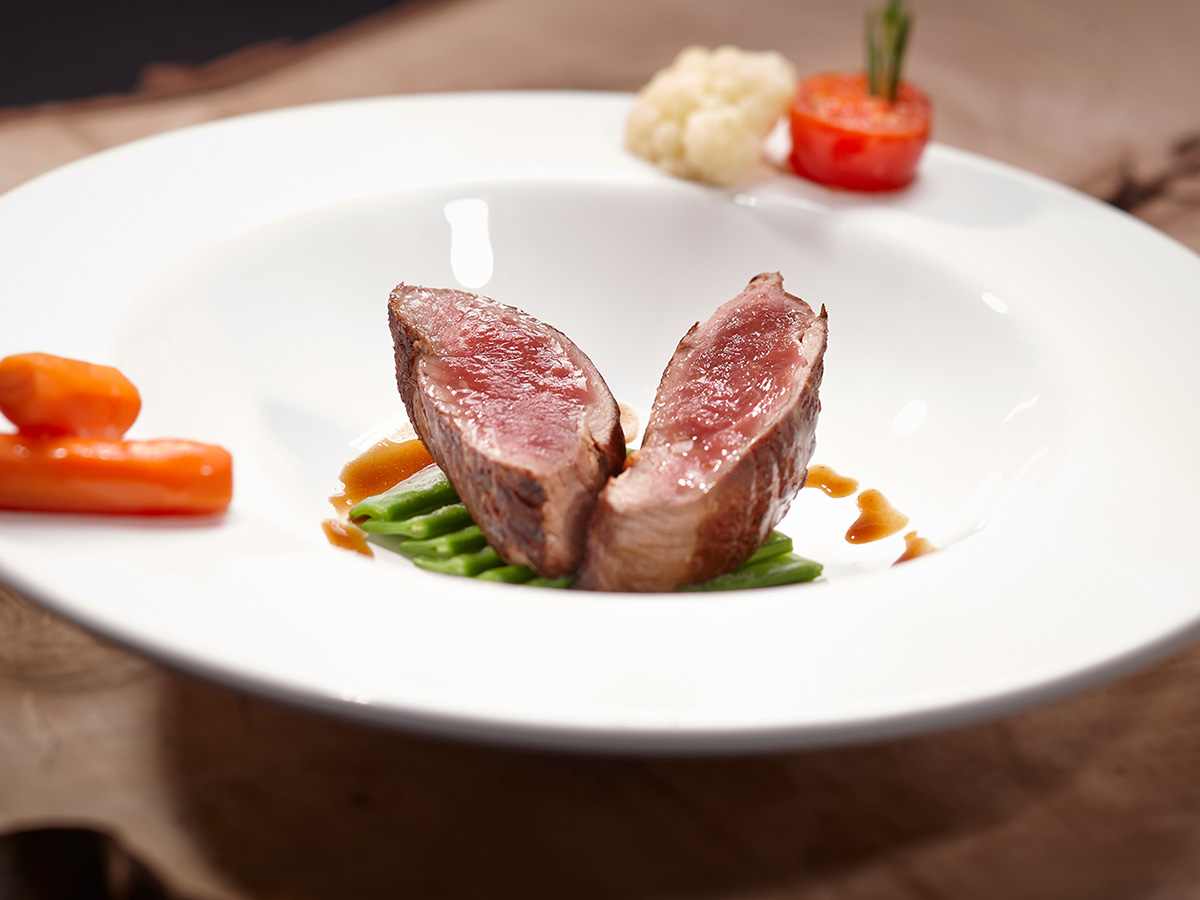
Buy Alpaka Fresh Meat
Selected cuts for those who want to prepare alpaca meat themselves.
- mild, slightly sweet, and tender
- perfect for steaks, pan dishes, and slow-cooked meals
- various cuts available
All About Alpaca Meat
Alpaca meat is still new to many people. That’s why we’ve put together the most important information about its characteristics and nutritional values in a clear and concise way.
How to Prepare Alpaca Meat Properly
Alpaca meat is particularly lean and should therefore be prepared with care to keep it tender and juicy. Depending on the cooking method, there are a few important differences—from quick searing in a pan to gentle low-temperature cooking in the oven.
Pan or wok
- Sear briefly over high heat
- Keep the meat moving when cooking in a pan or wok
- Best served rare to medium
Cooking whole cuts
- Sear for 1–2 minutes per side over high heat until a golden crust forms
- Then reduce the heat
- Turn only once
- Best served rare to medium
Low-temperature cooking (oven)
- First sear the meat for 1–2 minutes per side over high heat
- Then finish cooking at a low temperature in the oven
- Target core temperature rare: 50–52 °C
- Target core temperature medium-rare: 54–57 °C
Preparation & resting time
- Bring the meat to room temperature before cooking
- Pat the meat dry
- Let it rest for a few minutes after cooking
- This allows the juices to redistribute evenly
Game recipes pair perfectly with alpaca meat—discover an example here: Alpaca Fillet with Grappa
From Animal to Product
Our alpacas are raised and cared for entirely on our farm. From the very beginning, we focus on calm handling, attentive care, and clear, structured processes.
- raised on our own farm
- daily care and low-stress handling
- short transport routes without unnecessary stress
- regional processing by our trusted butcher
- close collaboration and traditional craftsmanship
Processing is carried out consciously at a regional level and in accordance with our own high standards—ensuring a product whose quality and origin remain fully transparen
Our Alpaca Meat Philosophy
The decision to use alpacas for meat production is not an easy one—and not always easy to understand. As a farming business, we carry responsibility for our animals and make such decisions consciously and with care.
In Switzerland, alpacas are considered livestock. Not every animal is suitable for breeding or sale—in such cases, we choose responsible utilization rather than avoiding the issue.
Learn more about our alpaca meat philosophy erfahren
Frequently Asked Questions about Alpaca Meat
What does alpaca meat taste like?
Alpaca meat has a mild, delicate flavor and is often compared to a lighter version of game or ostrich meat.
Is alpaca meat healthy?
Alpaca meat is very lean, high in protein, and low in fat, making it a health-conscious alternative to traditional meats.
How can you buy alpaca meat?
Alpaca meat is not a mass-produced product and is not always available in large quantities. Availability depends on our herd.
Our specialties, such as air-dried meats (Salsiz, Mostbroeckli), as well as fresh cuts, are available directly from our farm shop. Availability may vary depending on the product.
Why is alpaca meat produced?
In Switzerland, alpacas are considered livestock and are raised accordingly in agriculture. Not every animal is suitable for breeding, sale, or integration into another herd.
In such cases, we make a conscious and responsible decision on an individual basis. The use of the meat is part of a holistic and responsible approach to animal husbandry and agricultural reality.
How do you cook alpaca meat properly? Tips for frying and cooking
Alpaca meat should be seared briefly over high heat. When preparing wok or pan dishes, it is important to keep the meat moving to prevent overcooking. For whole cuts, sear for 1–2 minutes per side, then reduce the heat.
For low-temperature cooking, first sear the meat, then finish cooking it gently in the oven. The ideal core temperature is 50–52 °C (rare) or 54–57 °C (medium-rare).
In general, alpaca meat should be served rare to medium. Before cooking, bring the meat to room temperature and pat it dry. After cooking, let it rest for a few minutes to allow the juices to redistribute evenly.
Discover Gourmet Alpaca Meat
Experience the delicate flavor and exceptional quality of gourmet alpaca meat from responsible farming.
Whether it’s traditionally crafted specialties such as Salsiz, Bauernschueblig, and Mostbroeckli, or carefully selected fresh cuts for refined cuisine—each of our products is created with care, craftsmanship, and a clear focus on quality and origin.

Our specialties are made from pure alpaca meat and processed locally. Through conscious selection, short transport routes, and close collaboration with our butcher, we create products with a distinctive character and fully traceable origin.
Discover alpaca meat directly from our farm and experience a unique delicacy that brings together flavor, quality, and responsibility.