Basalt contributes to increasing paramagnetism by enhancing photon emissions in the soil. This helps stimulate soil biology, increase nutrient availability, boost plant production, improve soil health, and sequester carbon.
The use of basalt in gardening can offer several benefits due to its unique properties and composition. Basalt is a volcanic rock rich in minerals and nutrients from the Earth's interior, making it a valuable addition to the soil and a versatile material for landscaping.
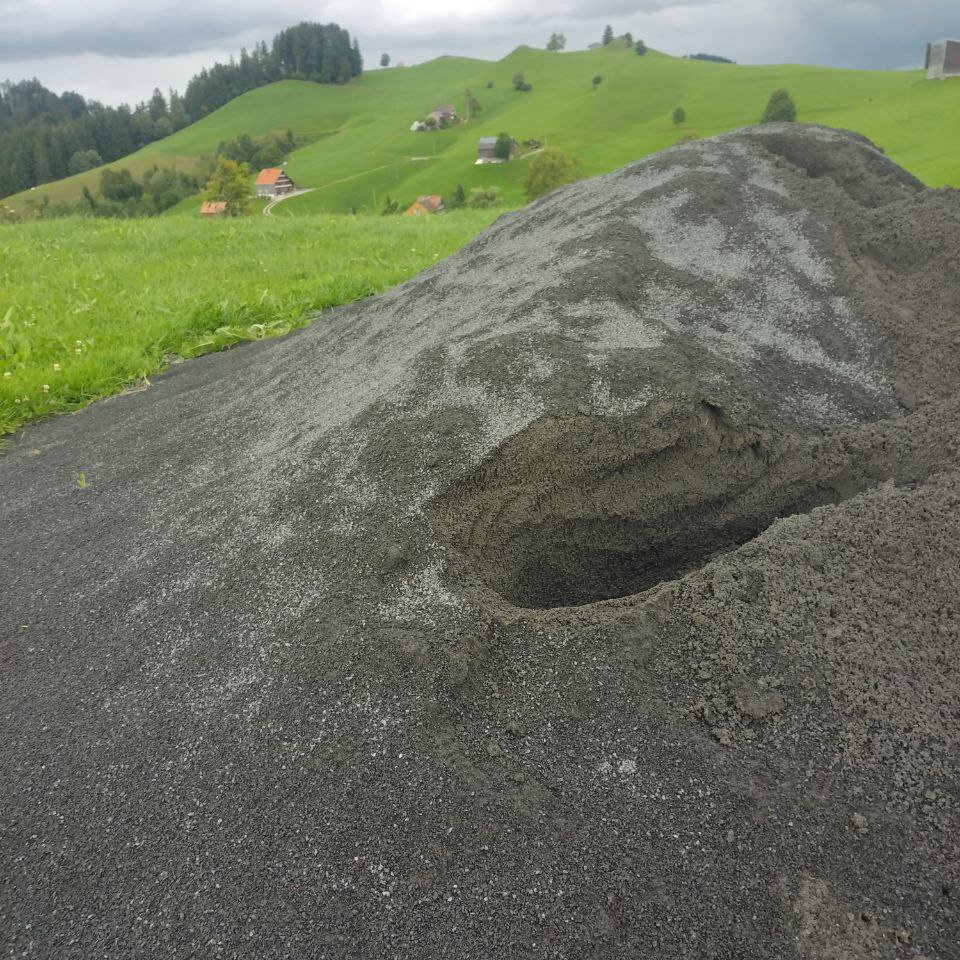
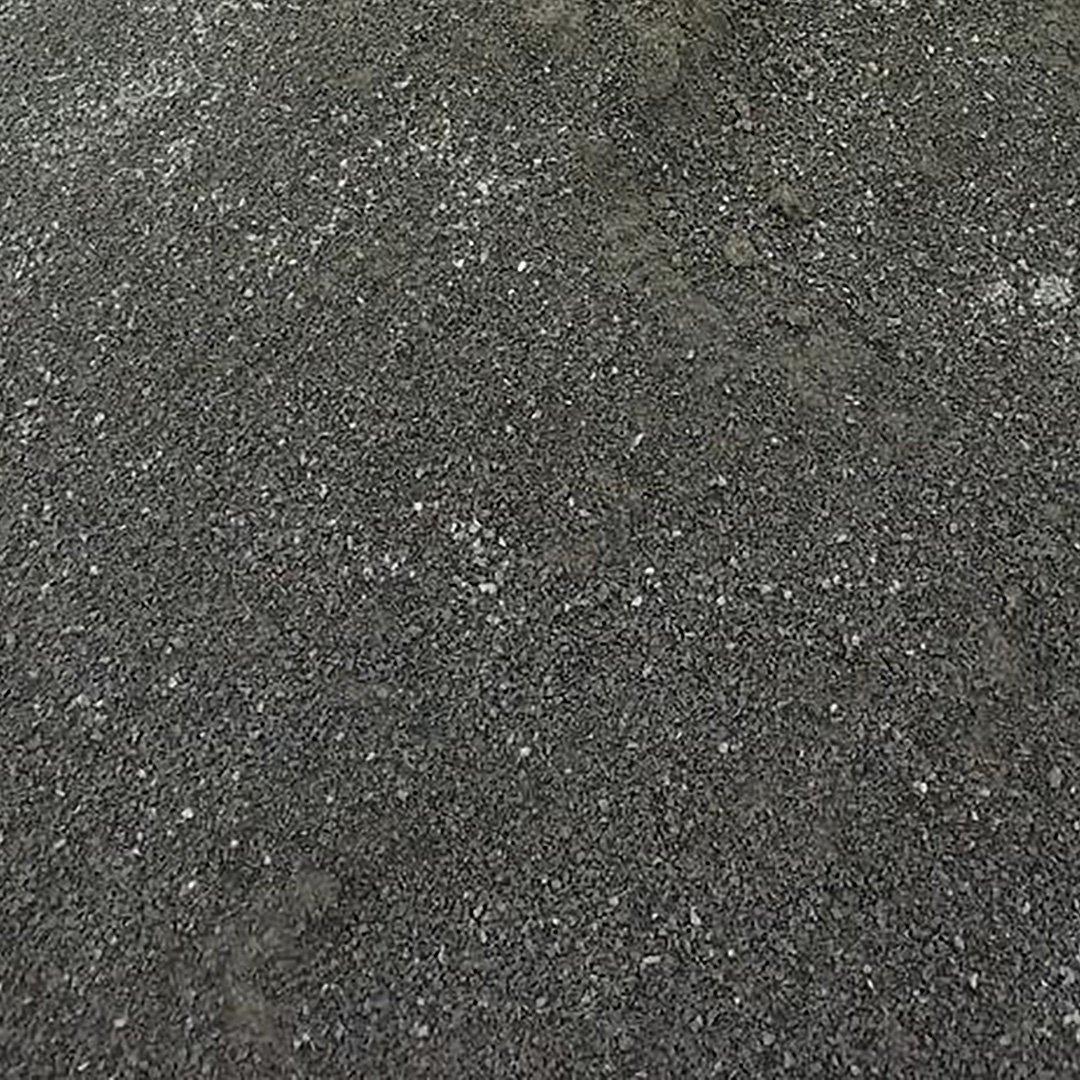
Basalt rock dust (0-2mm), derived from finely ground basalt rock, can be added to the soil as a mineral amendment. Basalt rock dust is rich in essential minerals such as calcium, magnesium, potassium, and iron, which positively affect plant growth and soil fertility. Adding basalt rock dust to the soil can improve soil structure, increase nutrient availability, and enhance the health and vitality of plants.
Crushed basalt (0.5mm) can be used as decorative mulch in garden beds as well as around trees and shrubs. Basalt mulch helps retain soil moisture, regulate soil temperature, and suppress weed growth. Additionally, as basalt mulch breaks down over time, it releases minerals and nutrients back into the soil, enriching the growth environment for plants.
We use basalt as a key ingredient in our Alparma Terra Preta nutrient-rich compost. For more information about our Alparma Terra Preta nutrient-rich compost, please visit here. here
Basalt is rich in essential minerals such as calcium, magnesium, potassium, and iron, which have positive effects on plant growth and development. As basalt slowly breaks down over time, it releases these minerals into the soil, providing a consistent and long-lasting source of nutrients for plants.
Basalt has a neutral to slightly alkaline pH, which can help balance acidic soils and improve pH levels. If your soil is too acidic (low pH), incorporating basalt can help raise the pH and make the soil more neutral, creating a healthier growing environment for a wider range of plants.
The porous nature of basalt allows for good water drainage and aeration in the soil, which is important for root health and preventing waterlogging. Adding basalt to heavy clay soils can help improve drainage and prevent soil compaction, creating a more hospitable environment for soil biology and plant roots.
Basalt particles contribute to the formation of a crumbly soil structure, improving soil texture and facilitating plant roots' penetration and access to nutrients. This enhanced soil structure promotes healthy root development and overall plant vigor.
Basalt can also be used as mulch around plants to conserve soil moisture, suppress weeds, and regulate soil temperature. Spread a layer of basalt mulch around the base of the plants, leaving a few inches of space around the stems to prevent moisture issues.
Basalt can be added to compost piles to enrich the compost with minerals and improve its nutrient content. We use basalt as a key ingredient in our Alparama Terra Preta Humus.
Assuming there is a flow of energy currents in the soil, the combination of Biochar and Basalt optimizes these currents, which in turn promotes microwave activity.
Even though the effects of basalt may not be immediately visible, its slowly released minerals offer long-term benefits for soil health and plant nutrition. Regular application of basalt over time can lead to healthier, more productive gardens with improved yields and harvest quality.